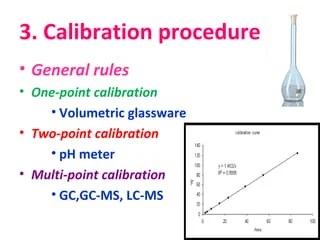
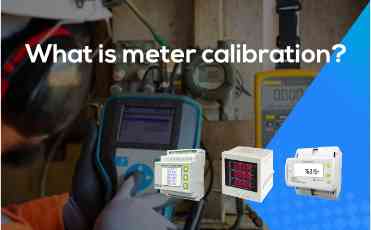
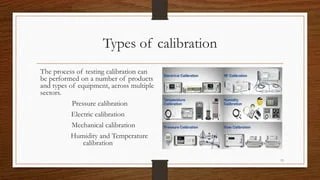
Its core purpose is simple Calibration is a process ensuring the accuracy and reliability of measurements To ensure that measuring tools.
What is the calibration process for a Digital Multimeter? | PPTX
Calibration is configuring and verifying a measuring instrument's accuracy to ensure its readings match a known.
In measurement technology and metrology, calibration is the comparison of measurement values delivered by a device under test with those of a calibration standard of known accuracy
Such a standard could be another measurement device of known accuracy, a device generating the quantity to be measured such as a voltage, a sound tone, or a physical artifact, such as a meter ruler The outcome of the comparison can result in one of the following: Learn what calibration is, why it is important, and how it is done for measuring systems Find out the difference between primary and secondary calibration, direct and indirect calibration, and the errors.
Calibration is the process of comparing the performance of a measurement device against a recognized standard to ensure accurate and reliable readings Calibration is an important concept in quality management This guide explains what calibration means, how it is applied in practice, key benefits, and how it connects to professional. Calibration is the comparison of a measurement device to a traceable reference standard

Learn why, how, and how often to calibrate, and what traceability,.
Calibration is the process of comparing a measurement instrument or system against a reference standard of known accuracy The purpose is to detect, document and if. Calibration means comparing the accuracy of an instrument with a known accurate reference device Learn why calibration is important for.