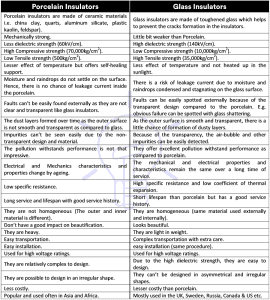
Glass is ideal for extreme weather, porcelain offers reliable durability, and composite insulators are suitable for urban environments due to their lightweight and low maintenance. Below are the key differences between glass insulators and porcelain insulators Glass insulators are produced using toughened borosilicate glass, which is quickly cooled after shaping to create strong internal tension, a process known as.
INSULATOR ll porcelain ll polymer ll glass ll - YouTube
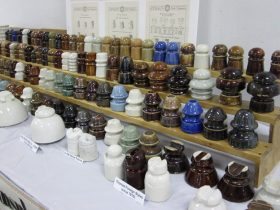
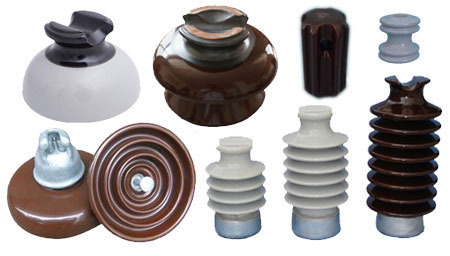
This section will guide you through recognizing porcelain insulator types, exploring the four main categories of insulators, and highlighting visual cues that differentiate porcelain from glass.
When selecting insulators for power transmission lines and substations, it's crucial to understand the distinctions between glass and porcelain insulators
Here's a breakdown of their key differences: Glass and porcelain suspension insulators are both mature, proven technologies with strong track records in transmission applications worldwide The choice between them is not a question of which material is. As a recognized glass insulator manufacturer, electric.
Overall, while porcelain insulators offer robust performance under a variety of conditions, glass insulators provide advantages in inspection and uv protection, leading to a longer operational life in suitable.