In this article, we are going to discuss the difference between synchronous and asynchronous transmission in detail. Clock signals, start/stop bits, speed, errors, a comparison table, and when to use each. Explore synchronous and asynchronous data transmission
Synchronous and Asynchronous Transmission: A comparison
Understand their differences, working, advantage, disadvantage and applications.
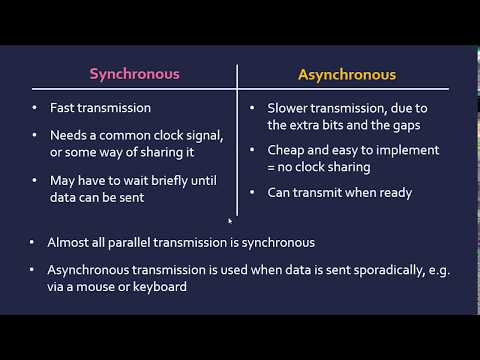
Synchronous transmission relies on a common clock signal to transfer data continuously at a fixed rate, ensuring precise timing
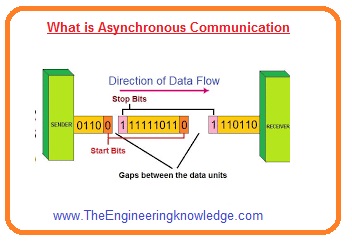
Asynchronous transmission, in contrast, sends data in. Synchronous and asynchronous transmissions are two different methods of transmission synchronization Synchronous transmissions are synchronized by an external clock, while. However, synchronous transmission is complicated, whereas asynchronous transmission is more simple
What is the main difference between synchronous and asynchronous transmission Synchronous transmission requires clock synchronization and sends data in a continuous stream,. The choice between synchronous and asynchronous transmission hinges on the specific requirements of the application Synchronous transmission excels in scenarios demanding high speed and.

Synchronous and asynchronous transmission both move data over a link, yet they frame and time it differently
Synchronous transmission uses a shared clock and a continuous stream for. Synchronous is a data transfer method in which a continuous stream of data signals is accompanied by timing signals, whereas asynchronous data transmission is a data transfer method. There are many differences between synchronous and asynchronous transmission One of the primary difference is that synchronous transmission is clock pulse driven whereas, asynchronous transmission.
Key differences between synchronous and asynchronous transmission synchronous is a data transfer method in which a continuous stream of data signals is accompanied by timing signals,. Synchronous transmission requires clock synchronization and sends data in a continuous stream, while. Data transmission is the cornerstone of modern communication, facilitating the exchange of information between devices across networks Understanding the nuances of data transmission methods is crucial.

The difference between synchronous and asynchronous transmission is a crucial topic for students preparing for board exams and competitive tests like jee and neet
Synchronous transmissions are synchronized by an external clock, while asynchronous transmissions. It allows blocks containing many thousands of bytes of data to be transmitted as a. Synchronous transmission requires a shared clock signal between sender and receiver to coordinate the exchange of data, ensuring that the sender. Difference between synchronous and asynchronous transmission synchronous transmission in synchronous transmission, a mutual clock pulse is used for the transmission of data on.
Synchronous vs asynchronous transmission explained