Learn the key differences between remote i/o and distributed i/o, their pros and cons, and when to use each Distributed i/o is often confused with remote i/o, but they can be distinguished as follows Discover how distributed i/o reduces wiring costs.
What is an Optical Line Terminal? - OLT Working Principle
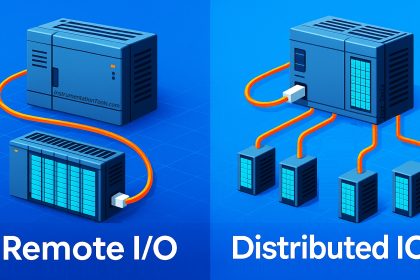
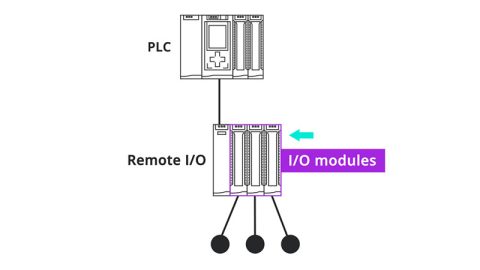
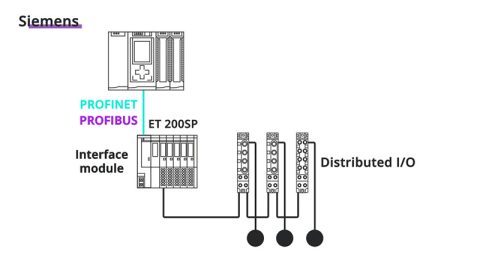
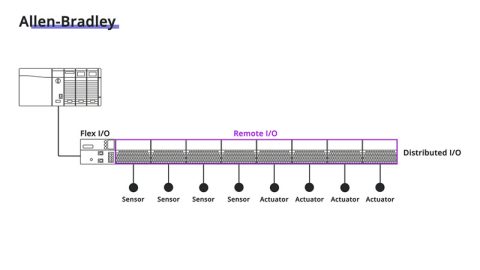
How are remote i/o and distributed i/o different
Let’s investigate the history of the terms remote i/o and distributed i/o and discuss what they mean today.
In this comprehensive guide, we, sonnepower, will explore the distinctions between distributed i/o and remote i/o systems, helping you understand when to use each and how they impact industrial. Remote i/o transmits field signals over industrial networks without local intelligence Distributed i/o adds local processing capability, enabling decentralized control and edge computing in. Two of the most common systems for managing i/o in automation are distributed i/o and remote i/o
Although both are designed to help streamline machine control and monitoring, they. In modern industrial automation and control systems, distributed i/o (distributed i/o) technology is gaining more and more attention It simplifies wiring and improves system flexibility and reliability by.



![[PLC Basics] Remote IO vs Distributed IO - YouTube](https://i.ytimg.com/vi/nMCghAbmTWw/hqdefault.jpg)

