A combinational circuit is a kind of digital electronic circuit whose. Combinational logic is used in computer circuits to perform boolean algebra on input signals and on stored data The following article discusses the key differences between combinational and sequential circuits, along with their respective functionalities and applications in various modern digital electronic systems.
What is the Difference Between Combinational and Sequential Circuits
This article explores the differences between these two types of circuits in detail, discussing their characteristics, examples, advantages, disadvantages, applications along with some.
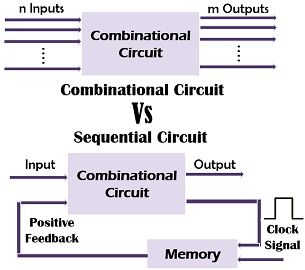
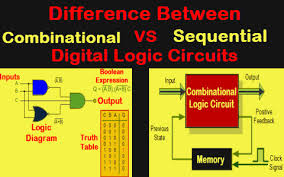
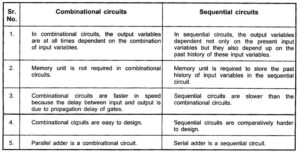
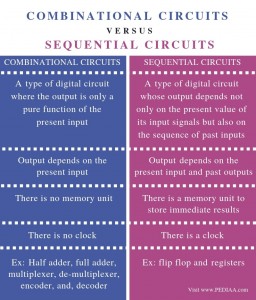
The major difference between combinational and sequential logic circuit is that the combinational logic circuit consists of only logic gates while the sequential logic circuits consist of logic gates and memory.
The main difference between combination and sequential logic circuits is that a combinational logic circuit does not contain any memory element, while a sequential logic circuit. Combinational and sequential circuits are the core building blocks of digital systems While combinational circuits perform logic operations based on. Learn the difference between combinational and sequential circuits with examples, characteristics, and a clear comparison table for easy understanding.
Learn the core difference between combinational and sequential circuits in digital electronics A combinational circuit depends on logic gates, whereas a sequential circuit depends on flip flop and other elementary blocks In this way, we saw the. Learn the difference between combinational and sequential circuit with examples, working principles, types, and applications in digital electronics and.

Detailed explanation of combinational and sequential logic circuits, their differences, examples, and fundamental concepts in digital electronics.