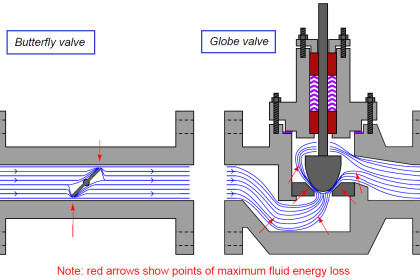
The working principle of control valve is based on controlling the fluid flow rate by adjusting the resistance to the flow inside the pipeline The control valve functions to adjust the flow of fluids like gas, steam, water, or chemical compounds This resistance is varied by.
Control Valve Actuators Principle - YouTube
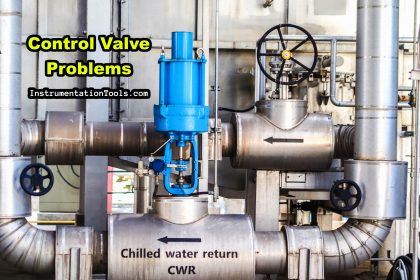
The image below shows how a control valve can be used to control rate of flow in a line
The controller receives the pressure signals, compares them with pressure drop for the desired flow and if.
What is a control valve A control valve is a variable orifice designed to regulate the flow of process fluids By throttling the flow, control valves can adjust from fully open to fully closed, maintaining the desired. This interactive guide explores the three pillars of valve performance
The foundational why of bernoulli's principle, the practical how much of the flow coefficient (cv), and the engineered how of flow. In this article, we will look at the principles of control valves and how they operate, as well as some tips for maintaining them We'll cover topics such as types of control valves, sizing, and the. This course will discuss the selection process and provide the basic principles of sizing the control valves.

The working principle of control valve is opening or closing internal passages in order to regulate the flow of a liquid or gas.
The most common final control element in the process control industries is the control valve The control valve manipulates a flowing fluid, such as gas, steam, water, or chemical compounds to compensate for. Introduction control valve is a power operated device capable of modulating flow at varying degrees between minimal flow and full capacity in response to a signal from the controlling system A control valve is comprised of an actuator mounted to a valve
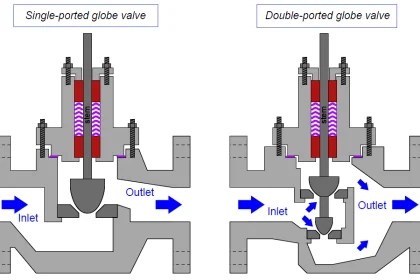
The valve modulates t of body The valve plug is attached to a valve stem, which, in turn, is connected to the. It is a critical part. The document provides information about control valves
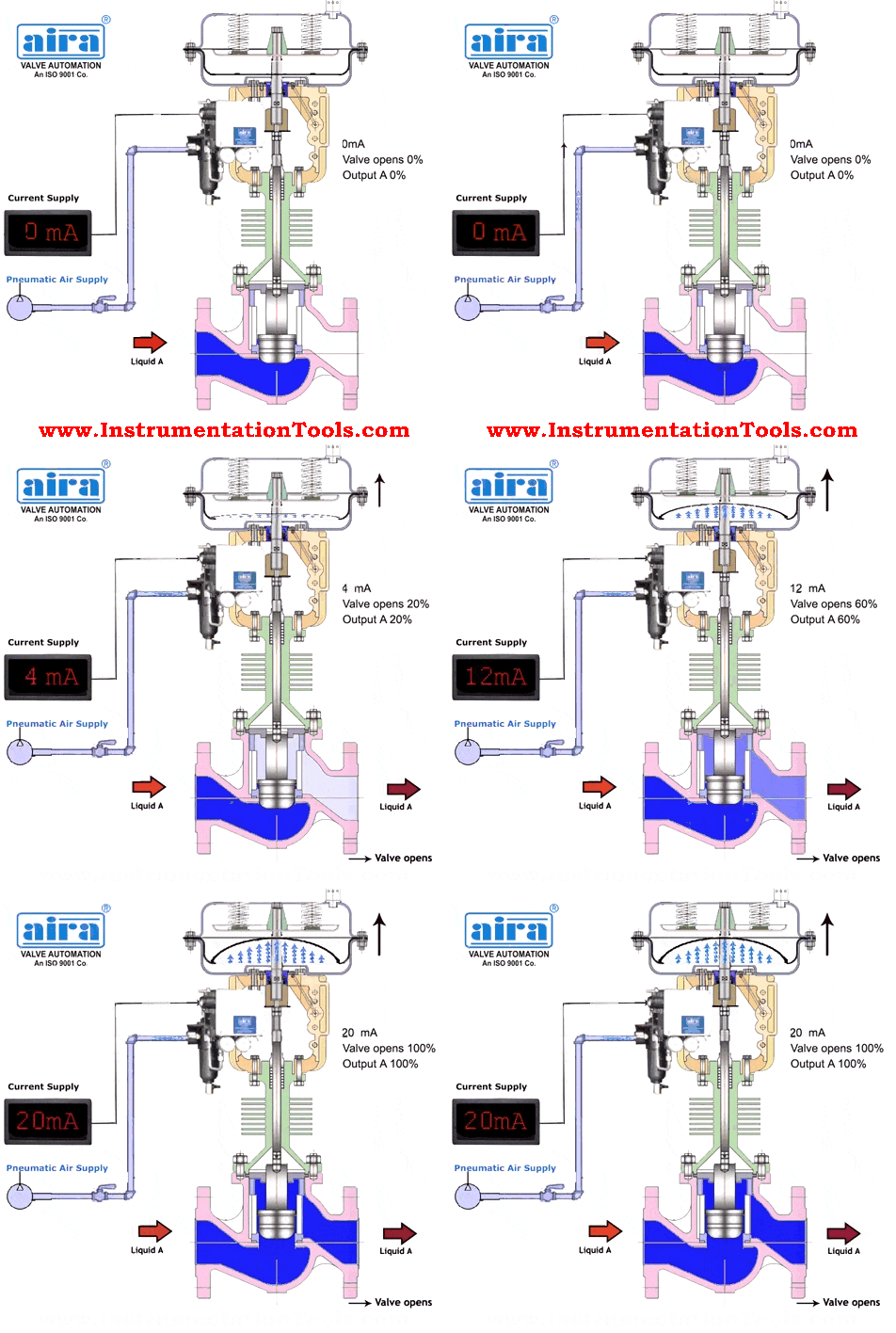
The control valve manipulates a flowing fluid, such as gas, steam, water, or chemical compounds, to compensate for the load disturbance and keep.
This very basic definition of a valve is intended to reveal that indeed a valve is a very simple device It has a body to contain the fluid pressure, a closure element to shut off or modify the flow through the body,. Valve controls control valves are devices that allow for the control of various parameters, including pressure, temperature, or flow rate This chapter reviews the basic types of process control valves and their associated actuator and positioner systems along with the principles of their operation
In most process control systems the final. The control valve assembly typically consists of the valve body, the internal trim parts, an actuator to provide the motive power to operate the valve, and a variety of additional valve accessories, which can.