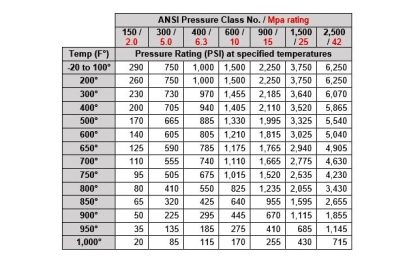
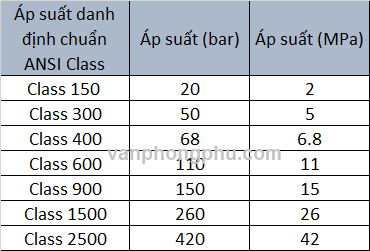
Ansi pressure class to psi conversion chart carbon and stainless steel valves pipes l wrought fittings l forgings l castings A complete guide to the ansi 150 pressure rating This is because psi (pounds per square inch) is a static measurement while the ansi/asme rating is variable depending on the material that is being used, its heat treatment, and the pressure class.
Pressure class in valves and flanges - Valve World
This table shows pressure class of pipe necessary for the rated water working pressures
The thicknesses in this table are equal to or in excess of those required to withstand the rated working pressures plus a.
Standards for a variety of mechanical measures This chart shows the ansi class and corresponding maximum psi for carbon steel and stainless steel valves For further assistance please contact your. Ansi classes are defined by asme b16.34 for valves and asme b16.5 for flanges
They are expressed as class 150, class 300, class 600, and so on Class ratings are commonly used under ansi/asme standards, especially in the united states and internationally The ratings are based on pound force per square inch (psi) at a reference temperature. When comparing ansi 150 and class 300 pressure ratings, the key differences lie in their pressure and temperature tolerances, which directly affect their applications.

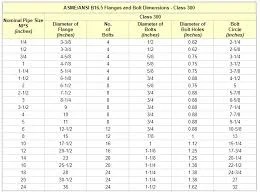
The type of material must be determined and found in the ansi b16.5 standard
Then you can convert the classes to mega pascals (mpa) of which the conversion rate is 1 psi = 0.0069mpa How ansi class relates to psi home how ansi class relates to psi Every industrial valve has a pressure class rating that defines the maximum allowable working pressure at a given temperature Understanding pressure classes (ansi/asme 150, 300, 600, 900,.
Ansi pressure class to psi conversion chart ansi pressure class rating and pressure per square inch (psi) is not same Refer the chart for a brief outline on ansi class, its related mpa and how.